
Climb Kilimanjaro.
Explore Tanzania.
Create Memories For Life.
Experience Africa with a trusted local adventure company offering expert Kilimanjaro climbs, unforgettable safaris, and authentic Tanzania journeys.
Choose Your Perfect Kilimanjaro Route
Every climber has different goals. Select the route that matches your time, experience level and summit expectations.

Machame Route
The most popular Kilimanjaro route with dramatic scenery and excellent acclimatization.
- 6 – 7 Days Climb
- High Summit Success
- Beautiful Scenic Trail
- Best For Adventure Climbers

Lemosho Route
A premium route offering fewer crowds, beautiful landscapes and excellent acclimatization.
- 7 – 8 Days Climb
- Low Crowds
- Excellent Acclimatization
- Very High Success Rate

Northern Circuit
The longest route designed for maximum acclimatization and the highest summit success.
- 8 – 9 Days Climb
- Highest Success Rate
- Quiet Remote Trail
- Best For First Climbers
Expert Guides
Professional Tanzanian mountain guides with years of Kilimanjaro experience.
Safety First
Altitude monitoring, emergency systems and professional mountain procedures.
Fresh Mountain Meals
Nutritious meals prepared daily by experienced mountain chefs.
Local Team
Dedicated Tanzanian crew supporting every step of your journey.
Meet Our Kilimanjaro Expert Team
Experienced mountain professionals dedicated to your safety, comfort and summit success.

Frank Sabas
- International Mountain Guide Certified
- Wilderness First Aid Trained
- High Altitude Rescue Experience

Tuma Mkonyi
- Medical Trained Guide
- Driver Specialist
- Safari Expert

Issa Hamidu
- First Aid Certified
- Client Support Specialist
- Mountain Navigation Skills

Emmanuel Arsenal
- Medical Emergency Training
- Oxygen Monitoring Skills
- Summit Support Expert

Lucas Saitoti
- Mountain Nutrition Specialist
- Large Expedition Experience
- Fresh Mountain Meals Expert
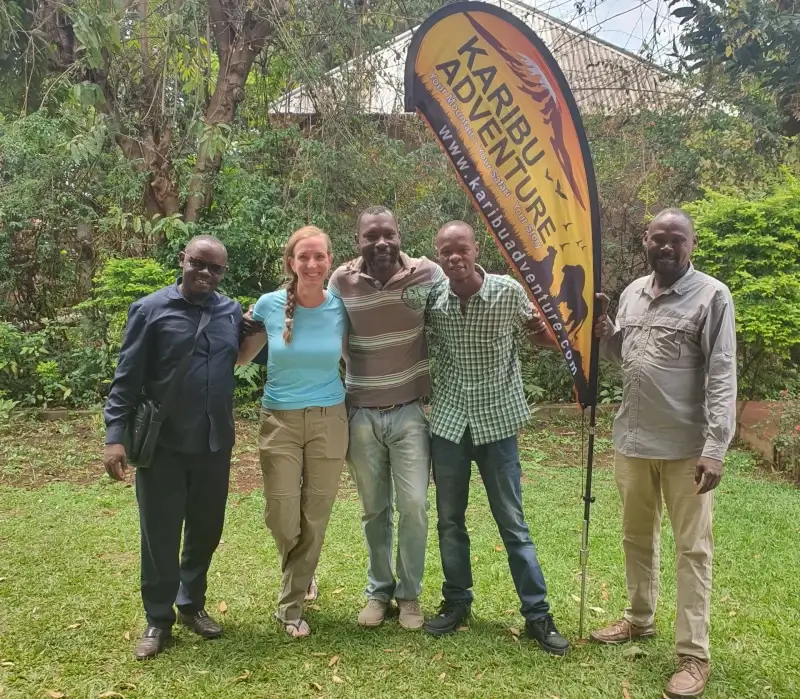
Michael Lema
- Climbing Logistics Expert
- Safety Management Skills
- Professional Expedition Planning
Explore Tanzania Safari Adventures
Discover Tanzania’s most iconic wildlife destinations with expert local guides, comfortable stays and unforgettable African experiences.

Classic Tanzania Safari
- Tarangire National Park
- Serengeti National Park
- Ngorongoro Crater
- Big Five Wildlife

Tanzania Wildlife Explorer
- Tarangire National Park
- Serengeti National Park
- Ngorongoro Crater
- Lake Manyara National Park

Migration & Big Five Safari
- Tarangire National Park
- Serengeti National Park
- Ngorongoro Crater
- Great Migration Experience
- Big Five Wildlife
Discover Tanzania’s Great National Parks
Explore Africa’s most iconic wildlife destinations including the Serengeti plains, Ngorongoro Crater and Tanzania’s hidden wilderness areas.

Serengeti National Park
The world’s most famous safari destination, home to the Great Migration, Big Five wildlife and endless golden plains.

Ngorongoro Crater
A natural wonder with one of Africa’s highest wildlife concentrations, including lions, elephants and rare black rhinos.

Tarangire National Park
Famous for huge elephant herds, ancient baobab trees and peaceful landscapes away from crowded safari routes.

Lake Manyara National Park
A beautiful wildlife destination famous for birdlife, scenic landscapes, groundwater forests and the legendary tree-climbing lions.

Nyerere National Park
One of Africa’s largest protected areas offering boat safaris, walking adventures, river wildlife and unforgettable wilderness experiences.

Ruaha National Park
A remote wilderness destination known for predators, large elephant herds, untouched landscapes and authentic African safari experiences.
Unique Adventures Beyond Traditional Safaris
Discover Tanzania from a different perspective with unforgettable experiences beyond the classic safari.


Meet Your Kilimanjaro Expert
Frank
Founder & Senior Kilimanjaro Guide
Born at the foot of Mount Kilimanjaro, I have spent over 23 years helping travelers experience Tanzania safely and authentically.
Karibu Adventure was created to provide unforgettable Kilimanjaro climbs, safari adventures and cultural experiences led by passionate local experts who genuinely care about every guest.
More Than A Guide — A Local Expert Who Cares
From your first message to reaching the summit of Mount Kilimanjaro, Frank and the Karibu Adventure team provide personal guidance, professional mountain knowledge and authentic Tanzanian hospitality.

Patricia Magoha
With over 11 years of experience in Tanzania tourism, Patricia helps travelers design unforgettable Kilimanjaro climbs, safari journeys and authentic African adventures.
Her deep destination knowledge, attention to detail and passion for creating personalized experiences ensure every traveler receives professional advice from the first inquiry until the final adventure.
Why Travelers Trust Patricia
Professional advice, local knowledge and personal attention from planning your dream adventure to the moment you return home.
Expert Destination Knowledge
Years of experience planning Kilimanjaro climbs and Tanzania safaris with detailed knowledge of routes, parks, seasons and travel requirements.
Personal Travel Planning
Every traveler receives personalized recommendations based on budget, comfort level, interests and adventure goals.
Dedicated Guest Support
From your first inquiry to your final journey, Patricia ensures clear communication and a smooth Tanzania experience.
Ready To Experience Kilimanjaro & Tanzania?
Plan your journey with experienced local experts for safe Kilimanjaro climbs, unforgettable wildlife safaris and authentic Tanzania adventures designed around you.